Top-Fire

Bicycle Hubs: Types and Functional Features

  • 2026-07-02 15:58:07

Bike hubs may look like minor concealed parts, but they are core to bicycle functionality. They deliver smooth wheel rotation, anchor the spokes, and integrate the drivetrain and brake systems.


Hub selection goes beyond weight and budget. Key parameters such as hub variant, axle standard, bearing type, freehub structure, brake compatibility and spoke hole number all shape ride quality. This overview covers major hub types and their functions for better product selection.


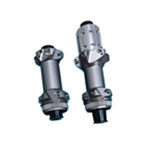
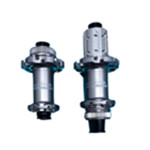
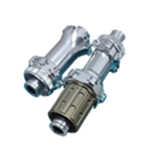
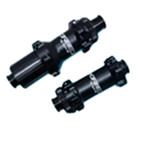
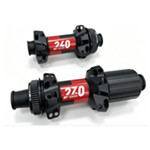
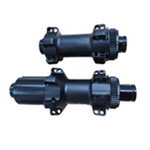
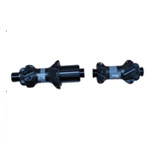
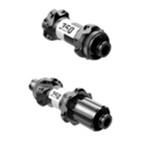
Here our road hubs disc vision for choice:

Item No. Picture SPOKES Holes Weight materials Cassette body Bearing
Carbon spokes Steel Spokes Name Structure Ceramic or regular Bearing Brand
RD240 YES NO 20/20 299g ALU 7075 SHIMANO SRAM Ratchet 1. Regular bearings    2.  Ceramic TPI TAKINO
RD330 YES NO 21/21 340g ALU 7075 SHIMANO SRAM Ratchet 1. Regular bearings    2.  Ceramic TPI TAKINO
RD920 NO YES 21/24 312g ALU 7075 SHIMANO SRAM Ratchet 1. Regular bearings    2.  Ceramic TPI TAKINO
RD930 NO YES 24/24 335g ALU 7075 SHIMANO SRAM Six Claws 1. Regular bearings     2. Ceramic SNS
DT240 YES YES 24/24 DT SHIMANO SRAM Ratchet DT DT
DT CS YES NO 20/24 370g DT SHIMANO SRAM Ratchet DT DT
DT370 NO YES 24/24 405g DT SHIMANO SRAM Ratchet DT DT
DT350 NO YES 24/24 360g DT SHIMANO SRAM Ratchet DT DT


Core Functions of Bicycle Hubs

A bicycle hub is far more than a simple fixture for mounting wheels. It governs wheel rotational smoothness, transmits pedaling power, and coordinates the wheel with other bicycle assemblies.

Its key functional roles are listed below:
1.Smooth Wheel Rotation
Internal bearings minimize friction, allowing the wheel to rotate freely around the axle.
2.Integrated Wheel Support
The hub unifies spokes, rims, axles, frames and front forks into a complete, integrated wheel assembly.
3.Power Transmission
The rear hub pairs with the cassette and freehub mechanism to transfer pedaling force from the rider to the rear wheel.
4.Freewheeling Function
Thanks to the freehub structure, the rear wheel can keep rotating even when you stop pedaling.
5.Disc Brake Mounting Base
For disc brake bicycles, the hub provides a mounting position for brake rotors and requires matching rotor interface standards.
6.Wheel Structural Stability
Design of hub flanges, spoke hole quantity and axle rigidity jointly determine the wheel’s stability under riding loads.
All these core capabilities explain why matching hub specifications is critical during wheel assembly and component selection.


FAQ

Q: There is clicking/rattling/grinding noise when riding my hub. What causes this?

1) Ratchet freehub grease dries up or gets contaminated by dust; disassemble, clean and reapply special hub grease.
2) Bearings are worn, pitted or lack lubrication. Replace bearings or top up grease.
3) Loose axle end caps, hub lock nuts or rotor mounting bolts; retighten all fasteners to specified torque.
4) Foreign grit enters the freehub body; fully strip down and clean all internal parts.

Q: The wheel feels tight and hard to spin freely without load.

1)Bearings are over-adjusted with excessive preload; loosen the lock nuts slightly for proper clearance.
2)Too much thick grease packed inside the bearing chambers; remove excess lubricant.
3)Damaged bearing balls or cracked bearing races; replace the full bearing set.
4)Axle skewer/through-axle clamped overly tight; adjust clamping force moderately.

Q: Can this hub fit my cassette / frame / brake rotor?

1)Shimano HG, Micro Spline and SRAM XD freehub bodies are not interchangeable. Confirm your cassette standard before purchase.
2)Axle standards include QR quick release, 12x142, 12x148, 15x110 etc. Match the hub axle to your frame dropout size.
3)Disc brake hubs use Centerlock or 6-bolt rotor interfaces; choose the version matching your brake rotors.
4)Spoke hole counts (20H/24H/28H/32H) must match your rim drilling.

Q: How often should I service and regrease the bicycle hub?

1)Road bike hubs: Service every 8,000–12,000 km.
2)Gravel / MTB hubs (off-road use): Service every 3,000–6,000 km.
3)If riding frequently in rain, mud or coastal salty air, shorten the service cycle by half to prevent rust and grit damage.


Q: Spokes keep breaking at the hub flange holes. How to solve it?

1)Over-tensioned spokes stretch and fatigue quickly; follow the recommended spoke tension range for your hub model.
2)Sharp unpolished holes on hub flanges abrade spokes; use spoke washers or file smooth the flange holes.
3)Uneven wheel tension causes concentrated stress; retrue the wheel and balance spoke tension evenly.


حقوق النشر © 2026 Top-Fire Carbon Technology Co., Ltd. كل الحقوق محفوظة. طاقة من

دعم شبكة IPv6.

أعلى

Leave A Message

Leave A Message

    If you are interested in our products and want to know more details,please leave a message here,we will reply you as soon as we can.

  • #
  • #
  • #
  • #
  • #
  • #